BC Legislation Proposes a Bold Shift: Cities Urged to Embrace High-Density Living Near Transit Hubs
 Sukh Brar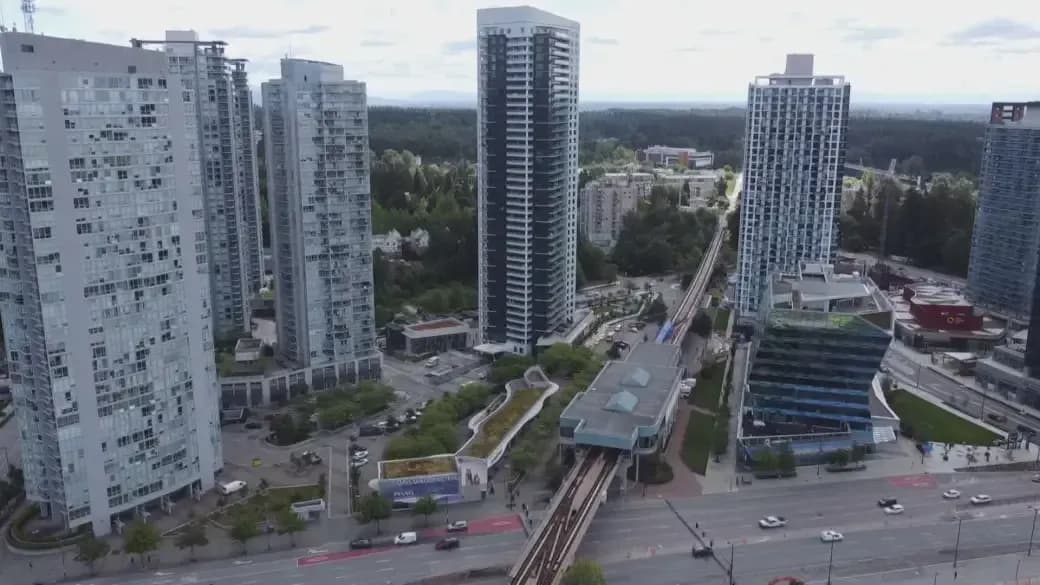
Discover how B.C.'s new housing legislation is reshaping Vancouver’s future with high-rise developments near transit hubs to combat the housing crisis.
The B.C. government has unveiled new legislation aimed at addressing the housing crisis by compelling municipalities to permit high-rise towers near transit hubs. Housing Minister Ravi Kahlon announced this ambitious move in late October 2023, stating that bold action is needed to unlock housing supply across Vancouver and other major urban centres in British Columbia.
This legislation is part of a broader housing strategy to build more homes, faster, and in places where people can live without depending on cars. The provincial government’s goal is to promote walkable, transit-oriented communities and ease the mounting pressure on B.C.'s limited housing stock.
What the New Law Means for B.C. Cities
Under the proposed legislation, municipalities will be required to allow high-density developments — including mid- and high-rise buildings — within walking distance of major transit stations. These include SkyTrain stations, bus exchanges, and rapid transit corridors.
The idea is to make it easier to live where people already commute and to reduce barriers to construction near public transportation. This means cities like Vancouver, Burnaby, Surrey, Richmond, and Coquitlam will need to update their zoning bylaws to align with provincial expectations.
This legislation doesn’t just encourage municipalities — it mandates them to permit residential buildings of up to 20 storeys within 200 to 800 metres of transit hubs, depending on the station type. That’s a dramatic shift from how zoning decisions have traditionally been handled in B.C., where local governments had full authority over land use.
Why This Matters for Vancouver and Beyond
The Vancouver area has long struggled with a mismatch between housing demand and supply. As more people move into the region for work, study, and quality of life, the need for affordable and accessible housing has only grown more urgent.
Many areas surrounding transit hubs are still dominated by low-density housing — like single-family homes or duplexes — even though they sit next to some of the most expensive and congested parts of the city. The province sees these zones as underused and ripe for redevelopment.
By introducing high-density zoning around transit, the B.C. government hopes to:
-
Increase the housing supply faster
-
Lower prices by encouraging competition and new development
-
Reduce traffic congestion by promoting car-free living
-
Create more vibrant, mixed-use communities where people can live, work, and shop
Timeline and Implementation
If passed, municipalities will need to update their zoning bylaws by mid-2024. The province has also indicated that they will provide technical support and guidance to local governments throughout the process.
Minister Ravi Kahlon emphasized that while municipalities will still be able to shape development through design guidelines and consultation, they cannot block the provincial requirements. This ensures that housing gets built where it’s needed most — not just where it’s politically convenient.
The legislation is part of the B.C. government's Homes for People plan, announced earlier in 2023. This plan includes multiple initiatives to make housing more accessible, such as speeding up permitting, cracking down on short-term rentals, and increasing non-market housing.
Reactions from Local Governments and Residents
The response to this legislation has been mixed. Some municipal leaders, especially in cities like Burnaby and Surrey, have welcomed the move, saying it helps them meet their housing goals with provincial backing.
Others are more cautious, raising concerns about infrastructure, parking, and local input. Some residents worry about the rapid pace of change and its impact on community character, green space, and schools.
However, housing advocates and urban planners have largely praised the plan. They argue that smart, transit-oriented growth is the best way to build a more sustainable and inclusive region. With land limited and demand growing, vertical growth near transit is seen as a logical and necessary step.
Looking Ahead: What This Means for Buyers and Developers
For developers, this new law unlocks major opportunities. Land near transit hubs — once restricted to low-rise or single-family zoning — could now accommodate towers, condos, and mixed-use developments. This could spark a wave of construction activity in 2024 and beyond.
Homebuyers and renters may also benefit from a wider range of housing choices, particularly in transit-friendly areas where commuting is easier. Over time, increased competition and supply may help stabilize housing prices.
However, change won’t happen overnight. Building approvals, design, and infrastructure upgrades take time. But the direction is clear: the province is firmly committed to reshaping how housing is built in B.C.
Conclusion
B.C.’s new high-density transit legislation marks a bold shift in how cities like Vancouver plan for the future. With a growing population and a deepening housing crisis, the old model of low-density zoning no longer meets the region’s needs.
By focusing on transit-oriented development, the province aims to create vibrant, livable communities where people can thrive without relying on cars. While the road ahead will have challenges, this legislation represents a major step toward a more affordable, sustainable, and connected British Columbia.