How BC Property Taxes Affect Homeowners and Investors
 Sukh Brar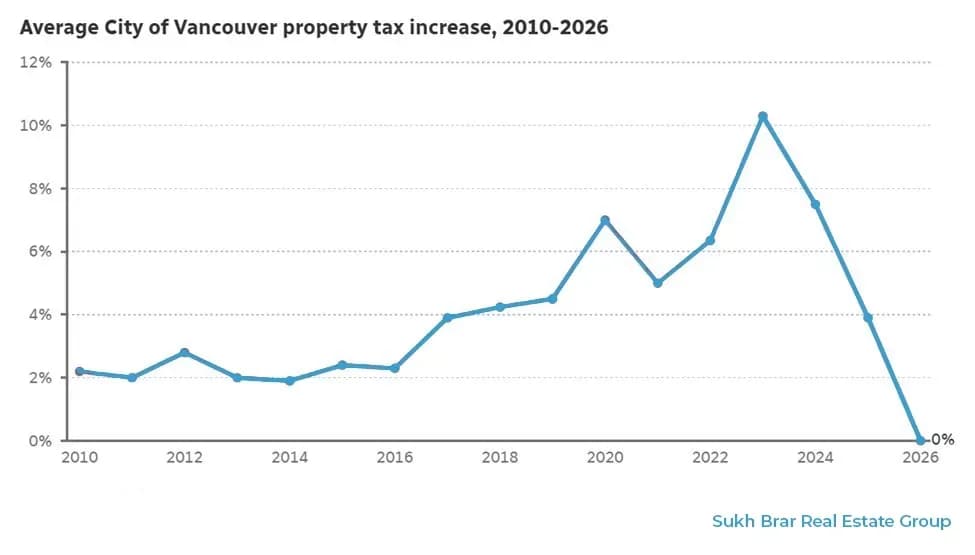
Discover how BC property taxes affect homeowners and investors, including speculation tax, flipping tax, and transfer fees with simple insights for BC residents
Property taxes in British Columbia (BC) are a crucial part of owning real estate. Whether you are a homeowner in Surrey, Langley, North Delta, or anywhere in BC, understanding how property taxes work can help you make better financial and investment decisions. In this article, we will explain the major types of property taxes, how they affect homeowners and investors, and provide practical tips to manage your tax burden.
1. What Are Property Taxes in BC?
Property taxes in BC are annual taxes based on the assessed value of your property. The provincial assessment is done by BC Assessment, which determines the value of your land and buildings every year. Municipal governments then apply local tax rates to that assessed value to calculate your annual property tax bill. These funds help pay for local services like roads, schools, parks, fire protection, and police services.
Your final bill is influenced by two things:
- The assessed value of your property; and
- The municipal tax rate set by your city or district
So, when property values rise, your tax bill often goes up, even when the tax rate stays the same.
2. Property Transfer Tax (PTT): A One-Time Cost for Buyers
When you buy a property in BC, you must pay the Property Transfer Tax (PTT). This is not the same as the annual property tax. The PTT applies once when ownership changes hands and is calculated based on the home’s purchase price.
Here’s how it typically works:
- 1% on the first $200,000;
- 2% on the portion between $200,000 and $2 million;
- 3% on the portion above $2 million
This tax can amount to a significant cash outlay, especially in high-priced markets like the Lower Mainland and Fraser Valley. It affects both homeowners and investors, making the upfront cost of buying a property higher.
3. Speculation and Vacancy Tax (SVT): Reducing Empty Homes
BC introduced the Speculation and Vacancy Tax (SVT) to discourage owners from leaving homes empty in popular markets. This annual tax encourages owners to either live in their property or rent it out to help increase housing supply.
Here’s how SVT affects different owners:
- Foreign owners may pay around 2–3% of the assessed value;
- Canadian citizens or permanent residents not living in BC may pay about 0.5–1%;
- Resident homeowners who live in the home or rent it out often qualify for an exemption.
This tax can particularly impact investors or part-time property owners who do not occupy their homes or rent them long-term. It can add thousands of dollars to holding costs each year and encourages converting empty units into rentals, which benefits the community by increasing available housing.
4. Home Flipping Tax: Curbing Short-Term Speculation
A major change in BC’s tax landscape is the Home Flipping Tax, effective January 1, 2025. This tax targets people who buy and resell residential properties quickly for profit. The goal is to discourage speculative investors from driving up home prices.
The rules are:
- 20% tax on profits if a property is sold within 12 months;
- 10% tax if sold between 12 and 24 months;
- No flipping tax after owning the property for more than 2 years.
For example, if an investor buys a home, sells it eight months later, and earns $100,000 profit, they must pay $20,000 in flipping taxes. This reduces short-term investment gains and discourages quick resale practices that can tighten housing supply and push up prices.
There are exemptions for several life-events like relocation, divorce, or disability.
5. How Property Taxes Impact Homeowners
For everyday homeowners, property taxes affect household budgets in several ways:
Annual Tax Burden
Even if you’ve lived in your home for many years, rising assessments can push your annual tax bill higher. This is especially true in fast-growing places like Surrey, Langley, and North Delta, where property values have increased substantially in recent years.
Affordability and Cash Flow
Higher taxes mean less disposable income for families. Seniors on fixed incomes or young buyers may feel the pressure of maintaining property tax payments along with mortgage costs.
Home Equity and Market Value
Since property taxes rise with assessed value, a growing home value increases equity, which is good for long term wealth building, but also means a higher yearly tax bill.
You can challenge your assessed value if you believe it’s too high. A successful appeal could lower your taxes.
6. How Property Taxes Affect Investors
Property taxes play a significant role in real estate investing:
Rental Property Costs
Annual taxes, SVT, and other fees add to the cost of owning rental properties. Investors must include these costs in their cash-flow calculations to ensure profitability.
Speculation Discouraged
With the introduction of the flipping tax and SVT, short-term investment strategies become more costly and less attractive. This can encourage more long-term investing, potentially stabilizing prices and increasing rental availability.
Market Behavior
Investors who hold properties long-term may still benefit from rising values, but they should factor in ongoing tax obligations and new regulations when planning purchases.
7. Conclusion
Property taxes in British Columbia affect homeowners and investors differently, but understanding these tax systems is key to making smart decisions. Whether you plan to buy a family home in Surrey or invest in a rental in Langley or North Delta, taxes play a pivotal role in cost, profitability, and long-term strategy.
Staying informed about tax changes such as the home flipping tax, speculation and vacancy tax, and annual property assessments helps you prepare financially and avoid surprises. Always consider speaking with a professional tax advisor or real estate expert to tailor your strategy to your goals.