How Government Policies Are Changing BC Real Estate in 2026
 Sukh Brar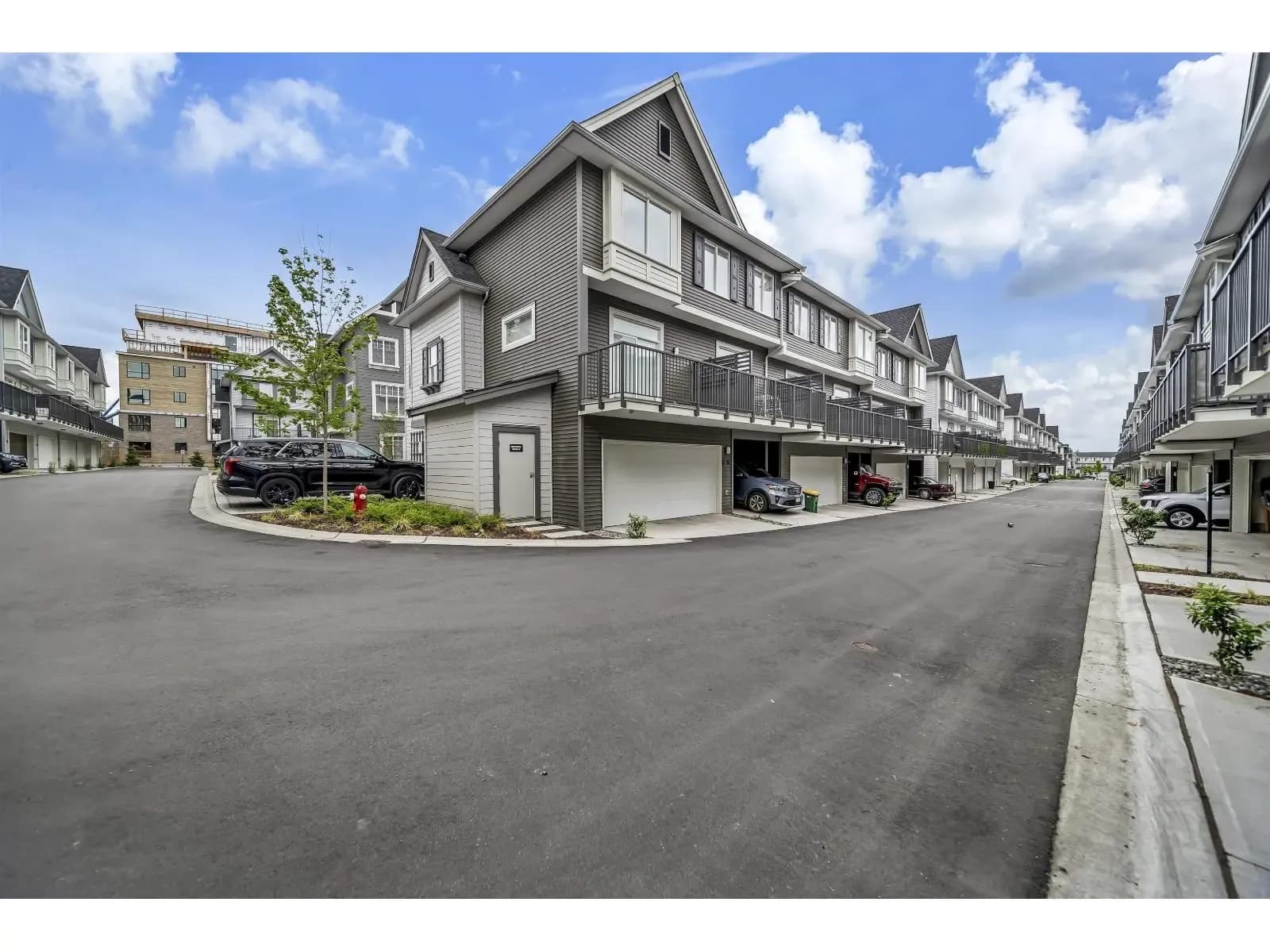
Explore how 2026 government policies are reshaping BC real estate, impacting prices, supply, and buyers across Surrey, Vancouver, and Fraser Valley
The real estate market in British Columbia (BC) is going through a major transformation in 2026. Government policies are playing a key role in shaping how people buy, sell, and invest in property. From housing supply initiatives to stricter regulations, these changes are directly impacting homebuyers, sellers, and investors across regions like Surrey, Vancouver, and the Fraser Valley.
In this blog, we will break down the most important government policies and explain how they are influencing the BC real estate market in 2026.
A Strong Push for More Housing Supply
One of the biggest challenges in BC has been housing affordability. To address this, the provincial government has introduced aggressive policies to increase housing supply.
In 2026, BC continues to enforce zoning reforms that allow multi-family housing in areas previously limited to single-family homes. This means more duplexes, triplexes, and small apartment buildings are now being developed in cities like Surrey and Vancouver.
According to BC government housing reports, the province aims to deliver tens of thousands of new homes over the next few years. This includes partnerships with municipalities and private developers.
This policy is important because:
- It increases housing availability
- It helps stabilize rising prices
- It creates more options for first-time buyers
For buyers searching for a house for sale in Surrey, this shift means more choices and potentially better pricing in the long run.
Short-Term Rental Restrictions
Another major policy impacting the market is the restriction on short-term rentals. The BC government has introduced stricter rules on platforms like Airbnb to ensure homes are used for long-term housing instead of vacation rentals.
Key highlights of this policy:
- Short-term rentals are limited to principal residences
- Investors can no longer easily convert multiple properties into Airbnb units
- Local governments have stronger enforcement powers
This policy is designed to bring more housing back into the long-term rental market. As a result, rental supply has started to improve in several parts of BC.
For investors, this means a shift in strategy. Instead of relying on short-term rental income, many are now focusing on long-term tenants or resale value.
Foreign Buyer Restrictions and Speculation Taxes
To control rising home prices, BC continues to enforce policies targeting foreign buyers and property speculation.
These include:
- Foreign Buyer Tax (especially in Metro Vancouver and Fraser Valley)
- Speculation and Vacancy Tax
- Increased transparency in property ownership
Government data shows that these measures have reduced speculative buying activity. While foreign investment still exists, it is more regulated and monitored.
For local buyers, this is a positive change. It creates a more balanced market where homes are more accessible to residents rather than being held as investment assets.
Mortgage Rules and Interest Rate Impact
Although federal policies influence mortgage rules, they still play a major role in BC real estate.
In 2026:
- Interest rates remain a key factor affecting affordability
- Stress test requirements continue to limit borrowing capacity
- Buyers are becoming more cautious
Higher borrowing costs have slowed down price growth in some areas. However, this has also created opportunities for serious buyers who were previously priced out.
Government-backed programs and incentives for first-time buyers are also helping ease the pressure. These include down payment assistance and tax credits.
Focus on Transit-Oriented Development
The BC government is strongly promoting transit-oriented development. This means building high-density housing near public transportation hubs.
Cities like Surrey are seeing major investments in:
- SkyTrain expansions
- Bus rapid transit systems
- Mixed-use developments near stations
This policy is changing how people choose where to live. Homes near transit are becoming more valuable due to convenience and future growth potential.
For real estate investors and buyers, this creates new opportunities in emerging neighborhoods.
Climate and Sustainability Regulations
Sustainability is now a major focus in BC real estate policies. The government is pushing for greener buildings and energy-efficient homes.
New regulations include:
- Stricter building codes for energy efficiency
- Incentives for green home upgrades
- Reduced carbon emissions targets for new developments
While these policies may increase construction costs, they also add long-term value. Buyers are now more interested in energy-efficient homes that reduce utility bills and environmental impact.
Impact on Home Prices in 2026
Government policies have had a mixed impact on home prices in BC.
Key trends observed:
- Price growth has slowed compared to previous years
- Some markets are stabilizing due to increased supply
- Demand remains strong in high-growth areas like Surrey
According to real estate board data, benchmark home prices in the Fraser Valley have shown moderate changes rather than sharp increases.
This indicates a healthier and more balanced market, which benefits both buyers and sellers.
What This Means for Buyers
For homebuyers in 2026, government policies are creating both opportunities and challenges.
Positive impacts:
- More housing options due to zoning changes
- Less competition from speculative investors
- Improved transparency in transactions
Challenges:
- Higher interest rates are affecting affordability
- Stricter lending rules
- Increased demand in key locations
Buyers should focus on long-term value and work with experienced real estate professionals to navigate the changing market.
What This Means for Sellers
Sellers also need to adapt to the evolving market conditions.
Key considerations:
- Pricing strategy is more important than ever
- Buyers are more informed and cautious
- Market conditions vary by location
Homes that are well-priced and properly marketed continue to sell successfully. However, unrealistic pricing can lead to longer time on the market.
Opportunities for Investors
Despite tighter regulations, BC real estate still offers strong investment potential.
Smart investment strategies in 2026 include:
- Long-term rental properties
- Pre-construction projects
- Transit-oriented developments
Investors who adapt to policy changes and focus on sustainable growth can still achieve solid returns.
The Future of BC Real Estate
Looking ahead, government policies will continue to shape the real estate landscape in British Columbia.
Expected trends:
- Continued focus on affordability
- More high-density developments
- Stronger regulations on investment properties
- Growth in suburban markets like Surrey
The goal is to create a more balanced and accessible housing market for everyone.
Final Thoughts
Government policies in 2026 are clearly reshaping the BC real estate market. While some changes create challenges, many are designed to improve long-term stability and affordability.
Whether you are buying, selling, or investing, understanding these policies is essential. The market is no longer just about demand and supply; it is also heavily influenced by regulation and planning.
Making informed decisions with the right guidance can help you succeed in this evolving environment.
Sukh Brar Real Estate Group helps you navigate changing BC market policies with expert guidance and find the right property with confidence.